
When I got out of the hospital, my doctor told me to walk through the five stages of grief.
I remember thinking, That sounds dramatic. Grief is for death. Grief is for funerals and black clothes and flowers and long hugs you can’t feel. Not for pain. Not for something I was “supposed” to be happy to leave behind.
But then I started to understand something I didn’t know how to name at first: you can grieve pain.
Not because pain is good, but because pain can become familiar. And familiarity has a strange power. It can feel like identity. It can feel like home. It can feel like, at least I know who I am here.
That’s the part people don’t always talk about when they tell you to “heal” or “move on.” When you’ve lived with pain long enough, losing it can feel like losing a piece of yourself. Even if you hated it. Even if you prayed for it to end. Even if it nearly destroyed you.
Pain can become a place you return to, not because you want the suffering, but because you want the certainty. You know the rules there. You know what to expect. You know how to survive in that environment. And when something new opens up, even something better, it can feel like standing in a wide open field with no map.
That’s why people go back.
I started seeing this pattern everywhere once I noticed it in myself.
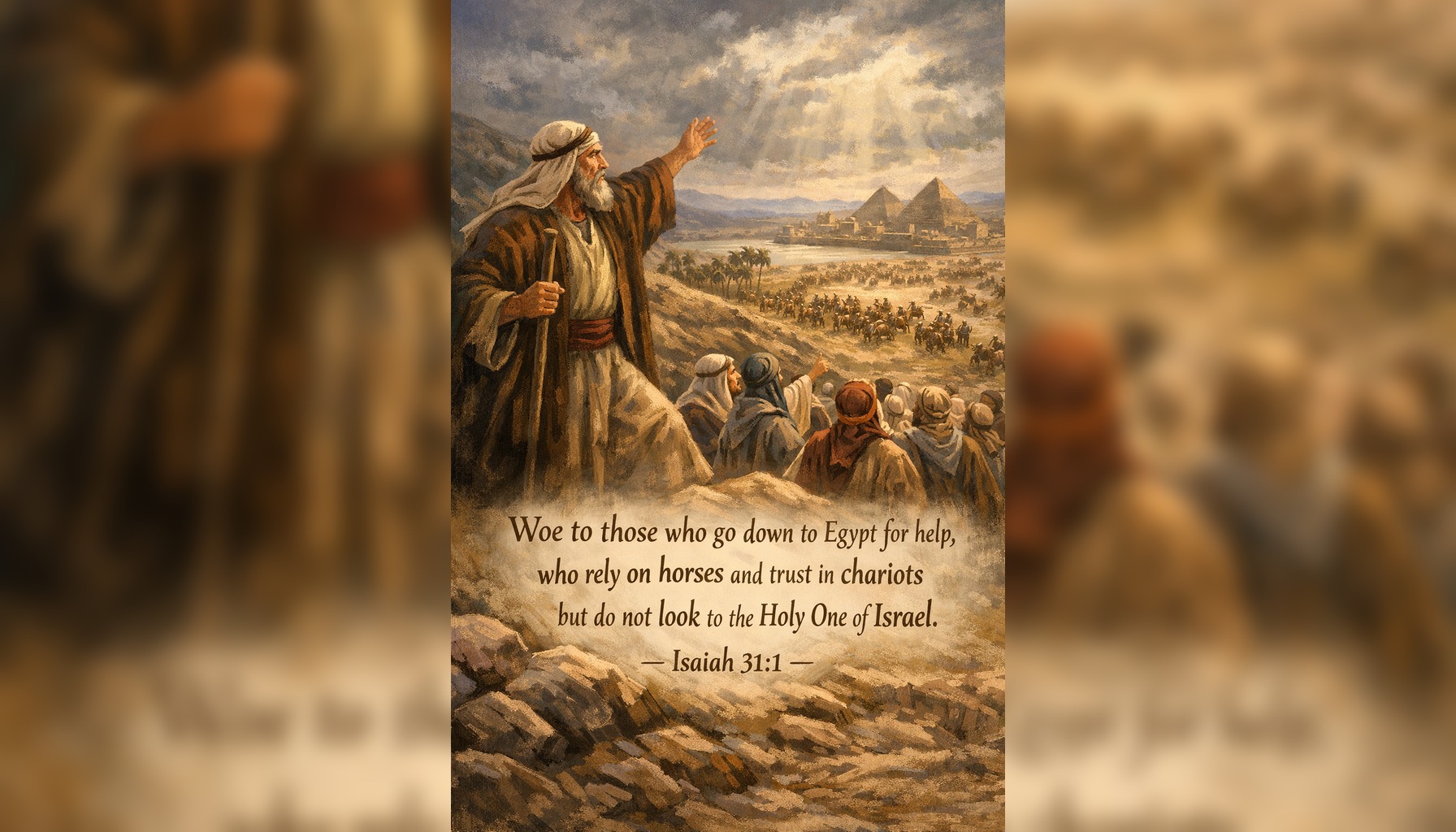
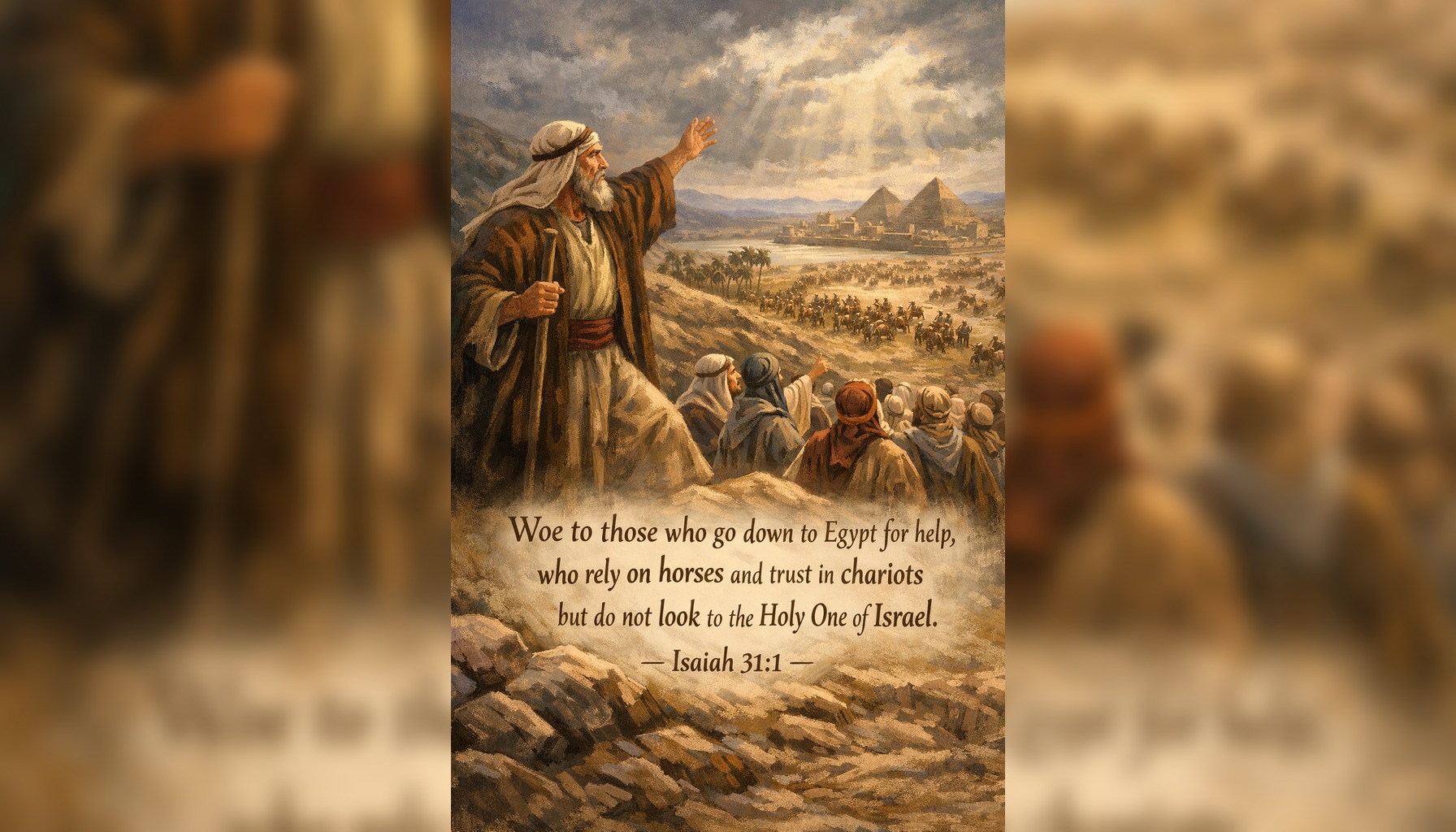
The Israelites were freed, but the wilderness scared them. It was uncertain. It didn’t have the familiar structure of Egypt. So, even after centuries of oppression, even after miracles, they said they wanted to return. Back to being under a master’s lashes. Back to the “known” pain, because the unknown freedom felt too weighty.
There’s also that haunting way the Assyrians described Egypt: “an old prostitute who does not know she has lost her beauty.” It’s a brutal image, but it captures something real. A person can keep performing a version of themselves that no longer fits, clinging to what used to work, not realizing it’s already gone. Not realizing it’s time to grieve what was and let it die.
History carries the same lesson.
After Abraham Lincoln signed the Emancipation Proclamation, freedom was real, but so was the question many newly freed people faced: Where do we go now? What do we do with ourselves? How do we live without the system that, as evil as it was, had defined the boundaries of daily life?
And even now, centuries later, the consequences of slavery still echo in families, communities, institutions, and minds. That’s what suffering does when it isn’t properly grieved: it doesn’t just hurt the person who lived it. It affects generations.
Unprocessed pain is never private. It leaks. It teaches. It shapes. It becomes culture. It becomes inheritance.
That’s why grief matters. Not as a formality, but as a doorway.
Because if you don’t grieve what hurt you, you might spend your life returning to it. You might confuse bondage for belonging. You might treat familiar suffering like it’s safer than unfamiliar freedom.
We all have our own Egypts.
A relationship you keep revisiting even though it keeps breaking you. A mindset that feels “realistic” but is actually hopelessness. A habit that numbs you because feeling is too raw. A version of yourself built around survival, even though survival isn’t the same as living.
Freedom is beautiful. But it’s also new. And new can be scary.
So if you find yourself missing what hurt you, don’t shame yourself. Name it. Grieve it. Let it go with honesty.
Sometimes healing isn’t just getting better.
Sometimes healing is learning who you are without the pain.